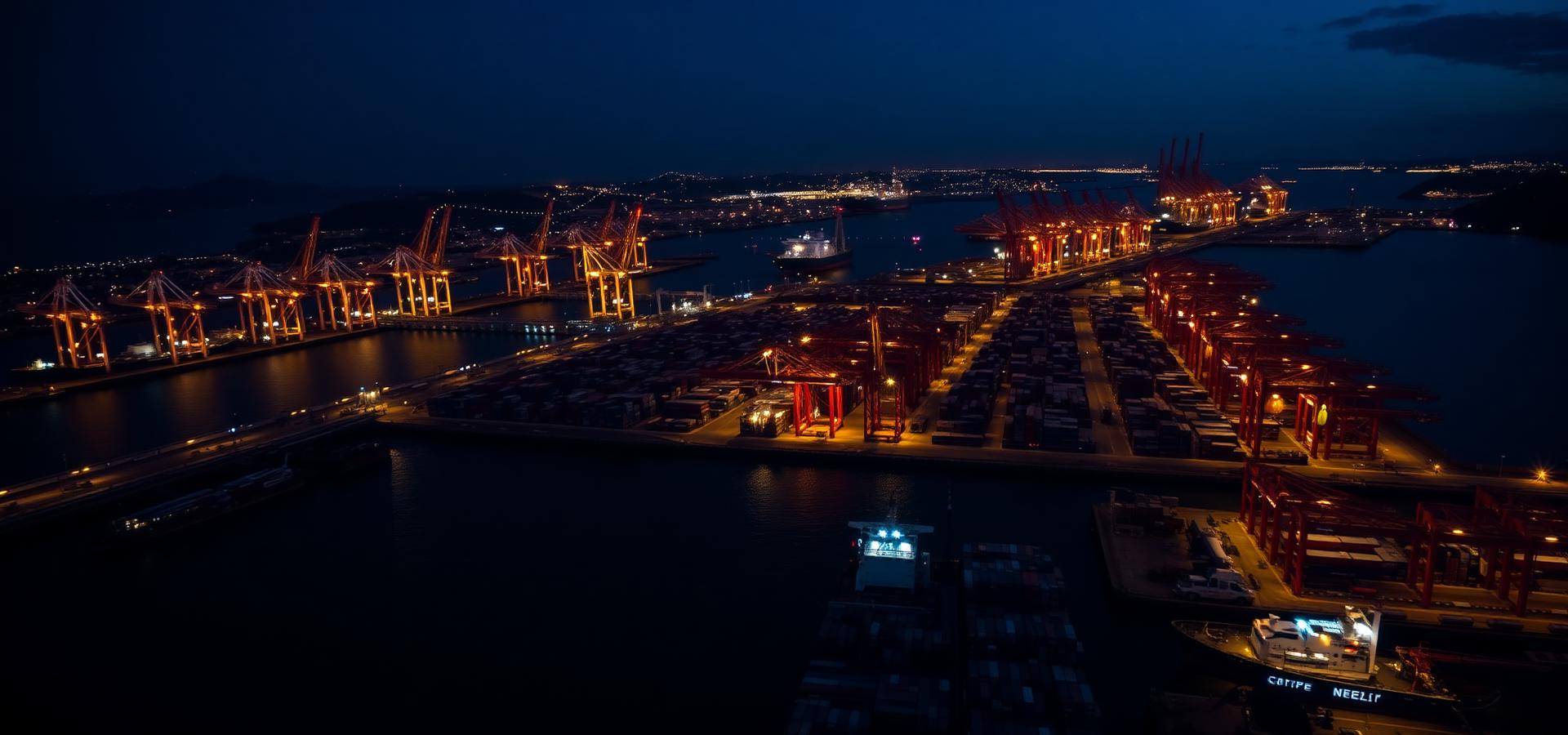
Fuel surcharges, transit windows, and shelf life — a practical decision framework for choosing the right mode.
The classic rule still holds: sea freight wins on cost, air freight wins on speed. But the 2026 market has narrowed the gap in unexpected ways — Red Sea diversions have pushed sea transit times up, and belly-cargo capacity on long-haul passenger flights has stabilized rates.
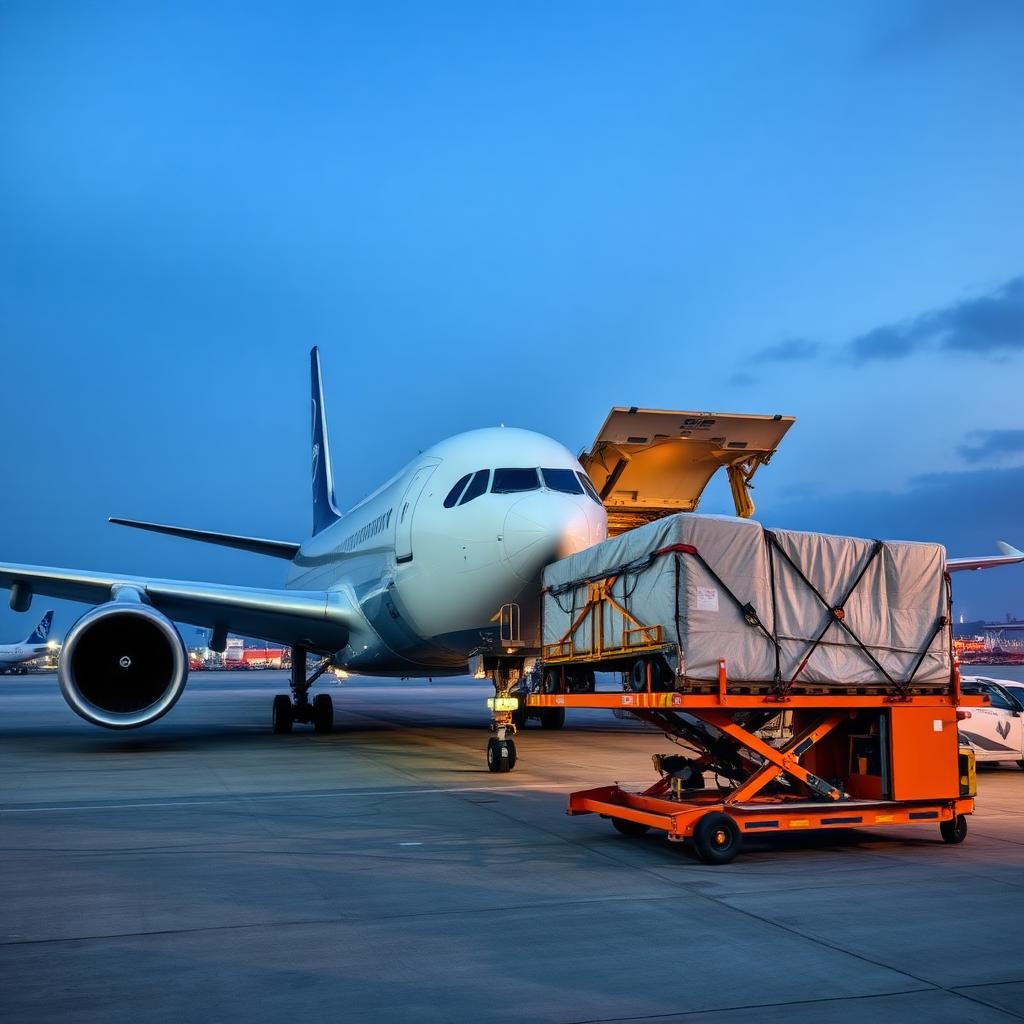
For perishables, pharma, electronics launches, and anything with a tight retail window, air freight’s premium is now often less than the cost of a stockout.
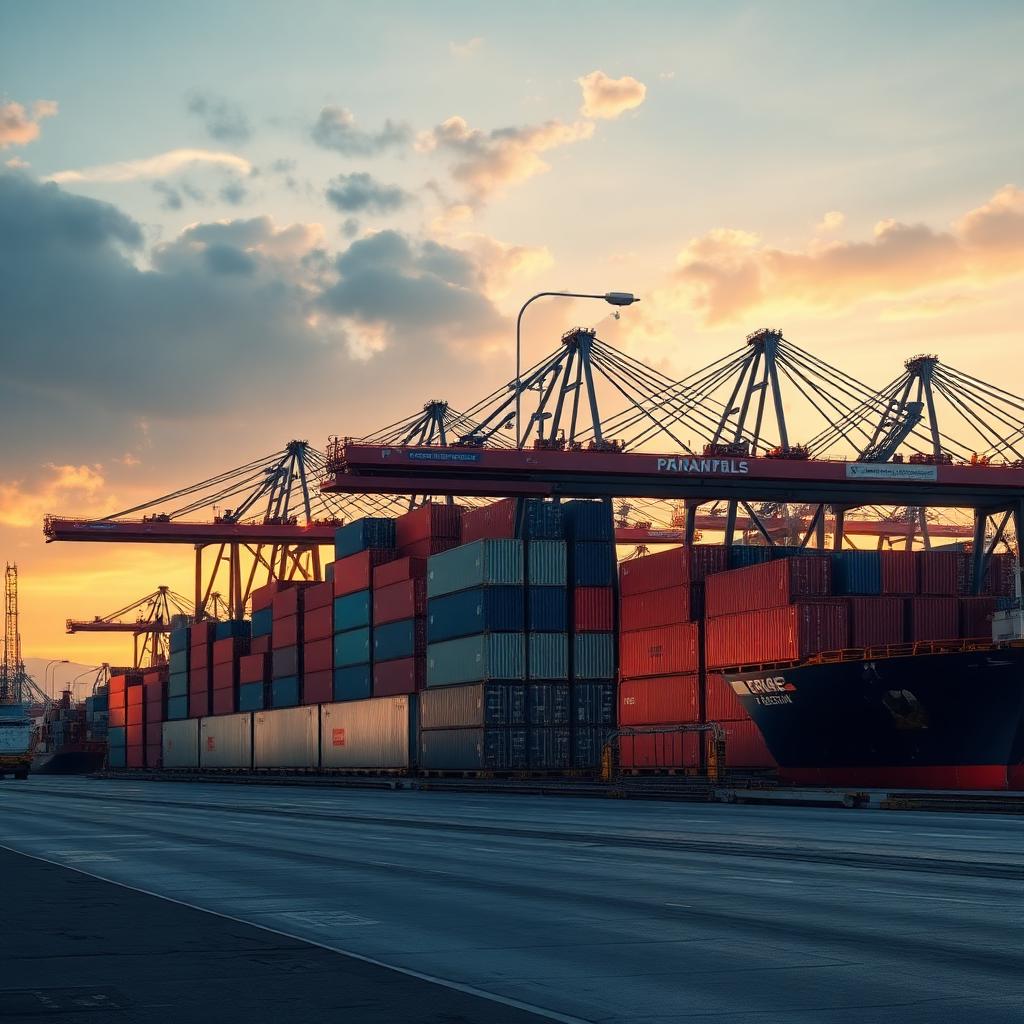
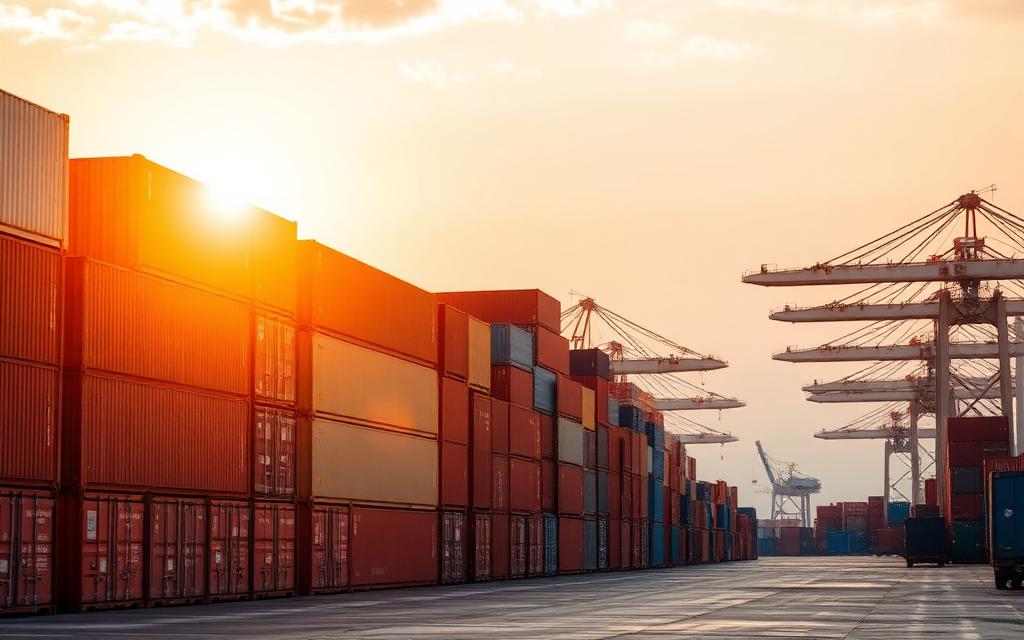
For bulk, project cargo, and predictable replenishment cycles, sea remains untouchable on landed cost — provided you build a realistic buffer into your inventory plan.
The smartest shippers we work with use both: a sea base load for predictable demand and an air tail for promotional spikes and emergency replenishment.